

Discover how telehealth is transforming patient care at Hydrate 30A in Santa Rosa Beach, FL. Learn about the benefits and future of telehealth in healthcare.
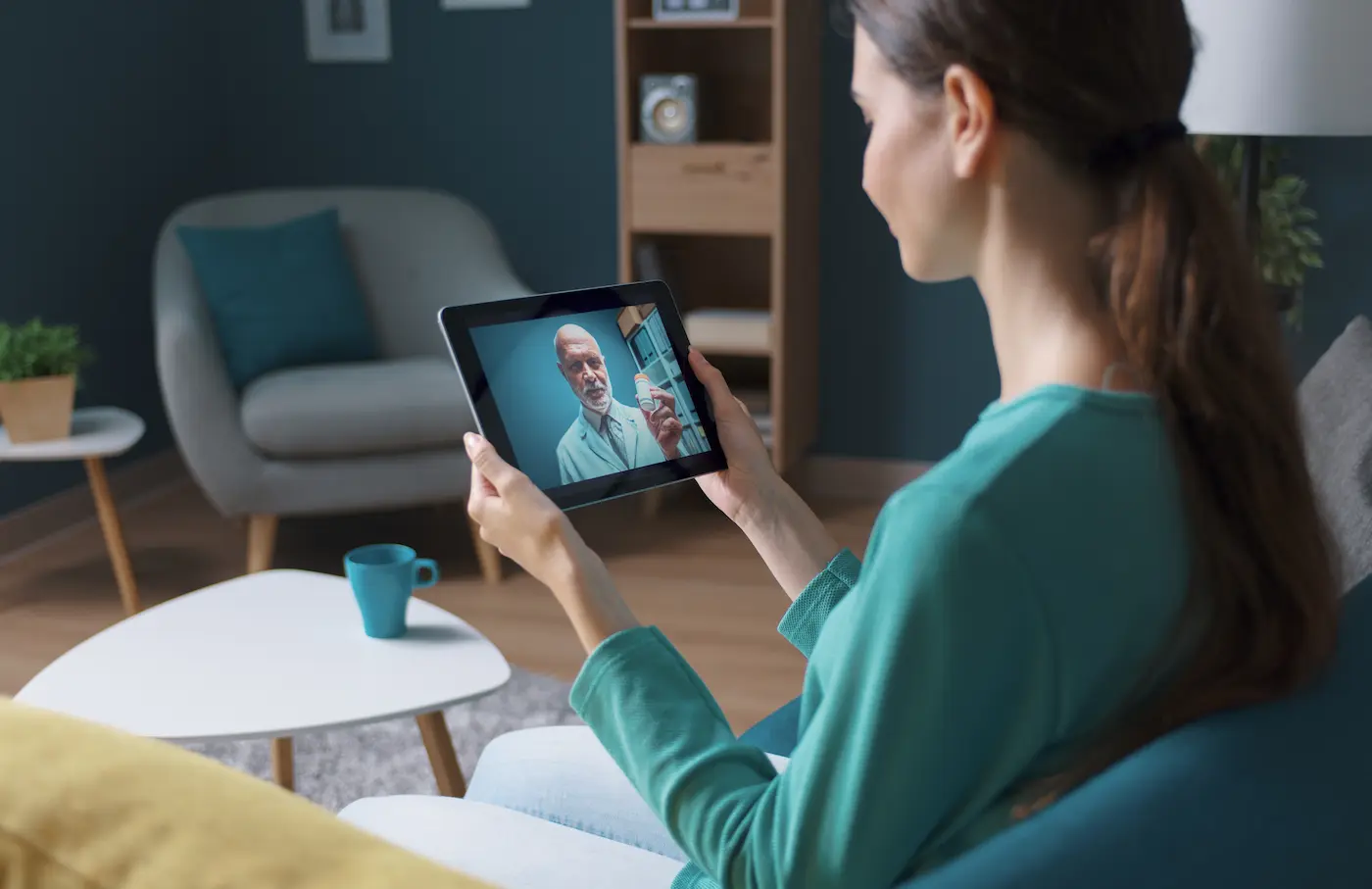
Telehealth, also known as telemedicine, has rapidly become a game-changer in healthcare, offering patients and providers a more accessible, convenient, and efficient way to manage health concerns. What once seemed like a distant possibility is now an integral part of modern healthcare, allowing patients to receive care remotely without needing to visit a clinic in person. As technology continues to evolve, so does the potential for telehealth to transform the way we approach medical care.
At Hydrate 30A in Santa Rosa Beach, FL, we understand the growing importance of telehealth and its benefits for our community. In this blog, we’ll dive into how telehealth is changing patient care, the benefits it offers, and the exciting future of healthcare through virtual care.
What is Telehealth?
Telehealth is the delivery of healthcare services using digital tools like video calls, phone consultations, and mobile health apps. It allows healthcare providers to assess, diagnose, and treat patients remotely, without the need for an in-person visit. While telehealth is often associated with virtual consultations, it also includes remote monitoring of patients' health and the exchange of medical information through secure electronic communications.
Telehealth has been around for some time, but it gained significant momentum during the COVID-19 pandemic, when restrictions on in-person visits prompted healthcare providers to adopt virtual care options. Since then, the use of telehealth has continued to expand, offering patients an easier way to manage their health while maintaining social distancing and safety protocols.
How Telehealth is Transforming Patient Care
Telehealth is revolutionizing healthcare in numerous ways, making it more accessible, efficient, and flexible for patients. Here’s how telehealth is transforming patient care:
1. Increased Accessibility to Healthcare Services
One of the most significant advantages of telehealth is its ability to provide healthcare access to patients who might otherwise face barriers to in-person visits. Whether due to geographic limitations, lack of transportation, or mobility issues, many individuals have difficulty accessing healthcare services. Telehealth removes these obstacles, enabling patients to receive care from the comfort of their own home.
For example, patients living in rural or underserved areas can now access specialist care without traveling long distances. Likewise, those with physical disabilities or chronic health conditions can receive consultations and follow-up appointments virtually, reducing the need for frequent in-person visits.
2. Convenience and Flexibility for Patients
With telehealth, patients have more control over when and where they receive care. Virtual consultations eliminate the need for taking time off work or school, finding childcare, or navigating busy traffic. You can attend your doctor’s appointment from the comfort of your home, your office, or even while on vacation—making it easier to fit healthcare into your busy life.
Telehealth also offers increased flexibility for both providers and patients. Providers can see more patients in less time, as virtual appointments typically require less time than traditional in-person visits. This can result in shorter wait times and quicker access to care for patients.
3. Improved Continuity of Care
Telehealth improves the continuity of care by enabling regular check-ins and follow-ups between patients and healthcare providers. For patients with chronic conditions, this is especially beneficial, as ongoing monitoring and adjustments to treatment plans can be made through virtual consultations. Telehealth makes it easier for providers to stay up-to-date on a patient’s condition, ensuring that they receive consistent care without needing to make frequent trips to the clinic.
For example, patients undergoing weight management, hydration therapy, or other wellness treatments at Hydrate 30A can continue their care virtually, ensuring they remain on track with their goals and receive timely guidance from our team.
4. Cost-Effectiveness for Patients and Providers
Telehealth can help reduce costs for both patients and healthcare providers. For patients, virtual consultations often have lower out-of-pocket costs compared to in-person visits, particularly for routine check-ups or follow-ups that don’t require physical examinations. Additionally, telehealth reduces travel expenses, such as gas, parking, and time away from work or other obligations.
For healthcare providers, telehealth can lower overhead costs associated with in-person visits, such as office space, utilities, and administrative staff. These savings can translate into more affordable care for patients while maintaining high-quality services.
5. Faster Access to Healthcare
In many cases, telehealth allows for quicker access to healthcare than scheduling a traditional appointment. Virtual consultations can often be scheduled within a day or two, reducing the waiting time for an appointment. This is especially valuable in urgent care situations or when patients need advice on minor health issues that don’t require in-person visits.
Moreover, telehealth can help manage issues before they escalate into more serious health concerns. For instance, a virtual visit for a minor skin irritation or sore throat can help determine whether a visit to the doctor is needed or if the issue can be treated at home with over-the-counter remedies or prescription medication.
The Future of Telehealth: What to Expect
Telehealth is evolving rapidly, and the future of virtual care holds even more exciting possibilities. Here are a few trends and innovations we can expect to see in the coming years:
1. Expanded Use of Remote Monitoring Tools
As technology improves, the integration of remote monitoring devices will become more prevalent in telehealth. Patients will be able to use wearable devices or at-home testing kits that transmit real-time data, such as heart rate, blood sugar levels, and oxygen saturation, to their healthcare provider. This will allow for more accurate monitoring of chronic conditions and immediate adjustments to treatment plans.
2. Increased Adoption of AI and Machine Learning
Artificial intelligence (AI) and machine learning technologies will play a larger role in telehealth, helping to analyze patient data, assist in diagnosis, and recommend treatments. AI-powered chatbots may also help triage patients, offering guidance and connecting them with the appropriate healthcare provider.
3. Integration with Other Healthcare Services
In the future, telehealth will be integrated with other aspects of healthcare, such as virtual pharmacy consultations, mental health services, and physical therapy. This will create a seamless, all-encompassing healthcare experience for patients, allowing them to manage their health in one convenient platform.
Why Telehealth is Here to Stay
Telehealth is no longer just a temporary solution—it’s here to stay. The convenience, accessibility, and cost-effectiveness of virtual care make it an appealing option for both patients and providers. As technology continues to advance, telehealth will only become more integrated into our daily healthcare routines, offering patients a more personalized, efficient, and flexible way to manage their health.
Experience the Convenience of Telehealth at Hydrate 30A
At Hydrate 30A, we believe in making healthcare as convenient and accessible as possible. Whether you’re seeking hydration therapy, weight management support, or wellness consultations, our team is ready to assist you through telehealth consultations. Take control of your health and experience the benefits of virtual care from the comfort of your home.
Read More Blogs!
Stay updated with the latest blog posts and engage with our community.
Schedule your consultation with Hydrate30A in Santa Rosa Beach, FL.
Your path to personalized wellness starts at Hydrate30A in Santa Rosa Beach, FL. Whether you are seeking medical support or aesthetic care, our team is ready to provide trusted guidance in a professional and welcoming setting. Every detail is centered on your comfort, health, and goals. Take a moment today to schedule an appointment and experience the difference of client-focused care designed to support long-term wellness and confidence.